Snapshot for the busy
Pick one interest, set a tiny weekly goal (30–60 minutes), find one buddy or group for accountability, and give yourself a 30-day trial. Keep costs low, celebrate small progress, and adjust rather than quit.
Choose Your Lane: Some Ideas to Try
Hobbies feed writers with living detail—the smells, textures, and rhythms that make scenes feel true. They also train discipline and curiosity, giving authors fresh metaphors, new characters to observe, and problems to solve on the page. When a writer tinkers, gardens, sketches, or rides, the work comes back richer.
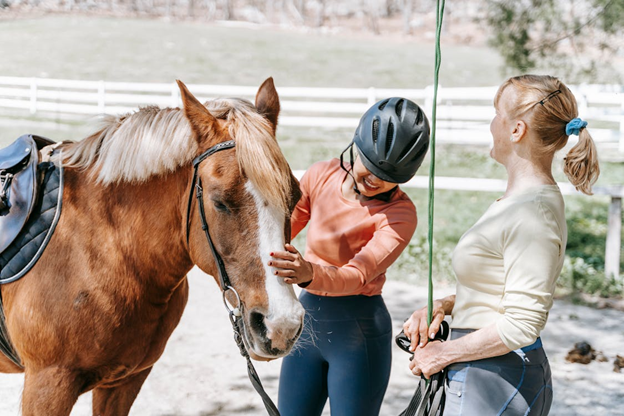
- Horse riding lessons — Great for balance, core strength, and confidence. Start with a 30-minute intro at a local stable; learn grooming and safety on day one.
- Join a book club — Build consistency and connection. Pick a short first title or try a novella to get a quick win.
- Gardening group — Community plots are perfect for beginners; you’ll learn soil basics, seasonal planting, and pest control from neighbors.
- Urban sketching — A pencil, small notebook, and a café table. Draw what you see for 10 minutes; progress happens fast.
- Beginner photography walks — Use your phone; pick a theme (reflections, shadows, doors) and create a 9-photo set each weekend.
- Wheel-thrown pottery or hand-building — Many studios offer one-night “try” classes; you’ll make something tangible in one session.
A Starter’s Table (pick one and go)
| Hobby | Time per week | Starter cost | First step | Quick win in 14 days |
| Horse riding lessons | 1–2 hours | $$ (intro lesson + helmet rental) | Book a beginner session at a reputable stable | Mount, walk, and dismount safely; basic reins control |
| Book club | 1–2 hours | $ (library card!) | Join a local or online group | Finish a short book; share one insight |
| Gardening group | 1–3 hours | $–$$ (tools shareable) | Visit a community garden meeting | Plant herbs or lettuce; see sprouts |
| Urban sketching | 30–60 min | $ (pencil + pocket sketchbook) | Draw one scene per day for 10 mins | Notice improvement in lines/composition |
| Photo walks | 1–2 hours | $ (phone only) | Choose a theme; set a walk route | Curate a 9-photo grid with a clear theme |
Make It Stick: A 30-Day Mini Plan
- Set a tiny target (two sessions/week, 30 minutes each).
- Block it on your calendar like any appointment.
- Prep a “go bag” (sketchbook, gloves, hat, water, or camera).
- Find one ally (friend, group, instructor) for accountability.
- Track one metric (sessions done, pages read, photos taken).
- Celebrate the streak—not perfection. If you miss a day, resume the next session.
Where to Find Your People
- Parks & Rec or community center schedules (low cost, beginner friendly)
- Library events: book clubs, author nights, and “learn a skill” series
- Specialty shops: garden centers, tack shops, art stores host intro classes
- Meetup and local Facebook groups for casual photo walks, sketch groups, or trail rides
- Colleges and continuing-ed programs for structured classes
Learning Pathways (for when curiosity grows)
Sometimes a hobby opens the door to deeper study and even a career shift, such as with tech-adjacent interests like digital photography, video editing, or creative coding. If structured learning appeals to you, explore this option to see what a formal program in computing might look like and whether it complements your creative goals.
Gentle Motivation: Tiny Wins to Aim For
- Horseback riding: tack up with help; walk a simple arena pattern
- Book club: lead one question during discussion
- Gardening: harvest a handful of herbs and cook with them
- Urban sketching: finish three location drawings you’d show a friend
- Photography: print one favorite 5×7 and frame it
Quick How-To: Join a Group with Zero Awkwardness
Sometimes what’s holding us back boils down to fear; maybe we’re afraid of failing, maybe we’re afraid of investing and “wasting” money and time, maybe we’re afraid of what others will think. But hobbies broaden our horizons and boost health, and when we water the seeds of our interest, we build courage, character, friendships and experience.
- Send a short intro: “Hi, I’m new and excited to learn. Is your next session beginner friendly?”
- Arrive early; help set up chairs or lay out materials, building instant connection.
- Ask one person for a tip (“If you were starting today, what would you do first?”).
- Exchange contact info with one person who seems encouraging.
- Thank the organizer publicly after the session (group chat or page).
Budget Savers (so cost doesn’t stop you)
- Borrow gear before buying (library of things, friends, rental programs)
- Share tools within a group; many community gardens maintain a shed
- Start with phone-based creativity before investing in cameras/tablets
- Look for first-class discounts, trial memberships, or “bring a friend” promos
- Buy used: helmets, gardening tools, tripods, sketch stools—check local marketplaces
Common Sticking Points, Simple Fixes
| Roadblock | What’s really going on | Try this |
| “I don’t have time” | Unscheduled = unreal | Book two 30-min blocks; treat them like appointments |
| “I’m not good at it” | Early expectations too high | Track effort, not outcome; keep day-1 pieces as proof of growth |
| “It’s too expensive” | Upfront gear anxiety | Rent/borrow, then buy used after 30 days |
| “I don’t know anyone” | Social friction | Start with a class or club—shared structure removes small talk stress |
Five-Minute Wins (do one today)
- Reserve your first lesson or class spot
- Message a library about their next book club pick
- Plant a pot of basil or mint on your windowsill
- Sketch a coffee mug on your table—no erasing, one try
- Take ten photos of “circles” on your next walk
FAQ
How many hobbies should I start at once?
One is best. Add another after 30 days if your first habit feels steady.
What if I miss a week?
You’re still in the game. Restart with one tiny session and lower the bar temporarily.
Do I need fancy gear?
Not at first. Borrow, rent, or use what you have. Invest only after you’ve built a steady cadence.
How do I choose between several interests?
Pick the one with the fewest barriers (closest location, lowest cost, easiest scheduling) so you’ll actually start.
Mini Checklist (print or copy and save)
? One hobby chosen + 30-day trial set
? Two calendar blocks each week
? Starter kit packed (borrowed or budget gear)
? One group or buddy confirmed
? Simple metric to track progress
? End-of-month “show & tell” planned
Closing note
A new hobby doesn’t need a grand plan. It needs a small start, a place to practice, and people to cheer you on. Pick one path today, schedule two tiny sessions, and let curiosity do the rest. Over time, those little reps turn into skill, friendships, and a version of yourself that’s more energized and alive.